
 Skip to content


Matching different styles, colours and textures in interior design isn't easy, but we're here to guide you through it with practical tips and real product examples!
This guide features 4 distinct design styles with curated product pairings for every room in your home. Whether you're styling a dining room, bedroom, or living space, you'll find specific combinations of art prints, textiles, and accessories that work beautifully together. We're covering everything from warm neutral palettes to nature-inspired textures, quirky statement pieces to seasonal colour transitions.
After the success of our first Perfect Match series, we're back with even more inspiration to help you create the space you've always dreamed of, or add fresh pieces to your existing collection. The best part? You can mix and match elements from different styles to find your perfect fit. It's all about doing it your way!
What You'll Learn in This Guide
-
How to coordinate colours, textures and materials across art and homeware
-
Which specific products pair well together for 4 different design aesthetics
-
Actionable steps for balancing bold pieces with subtle elements
-
Tips for bringing warmth, nature, or quirky character into any room
Style 1: Festive Feasts: Creating Warm, Gathering-Focused Spaces
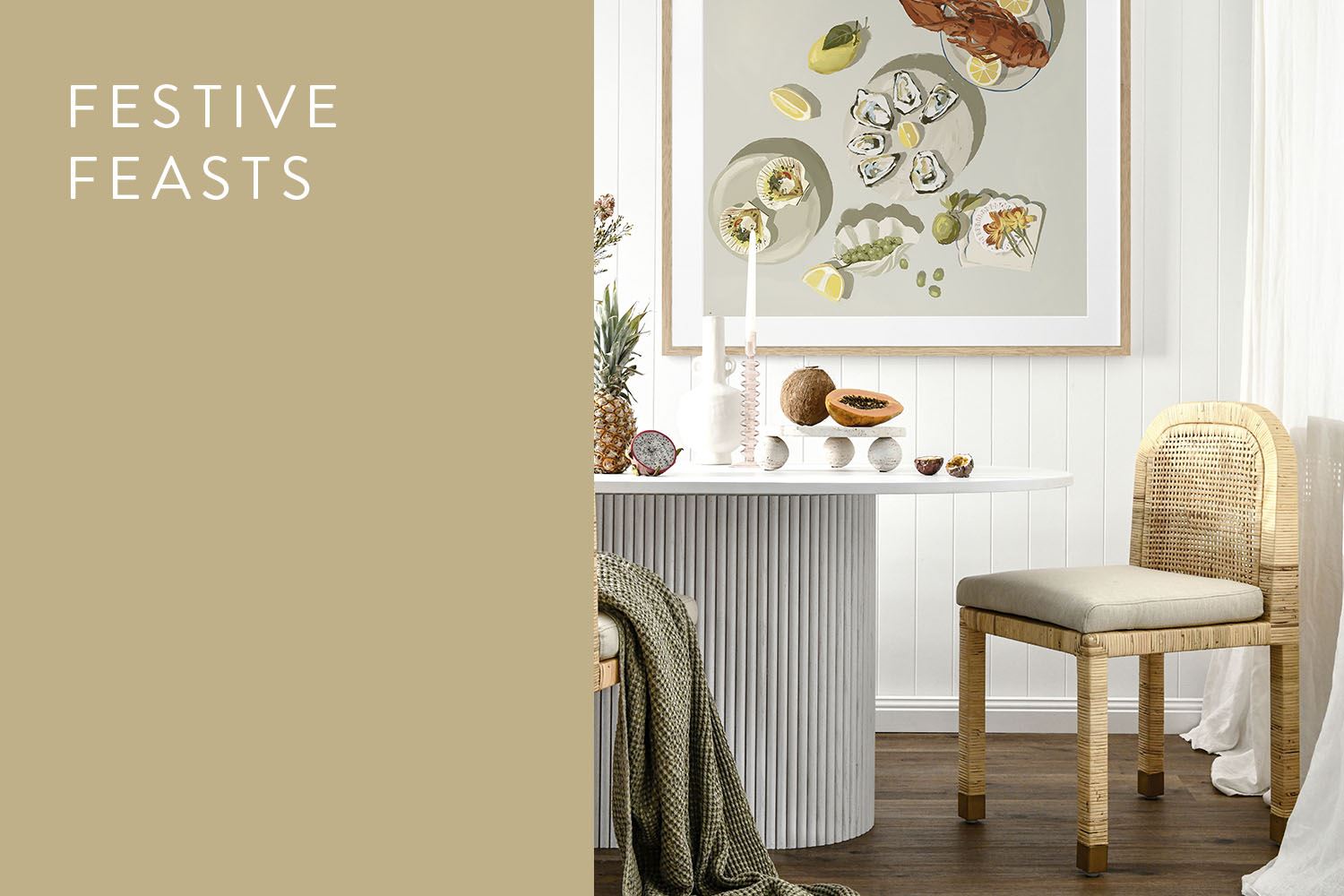
Best for: Dining rooms, family rooms, conversation areas
Colour palette: Beige, cream, warm neutrals, soft terracotta
Key materials: Canvas art, natural fiber rugs, organic textures
Design skill level: Beginner to intermediate
No matter what time of year it is, gathering with loved ones is always a special occasion. That feeling of being surrounded by those you love is quite like nothing else, and it's a feeling we want to help you capture in your space at all times.
Using comforting subject matter, warm textures and soothing colours, these pieces perfectly translate all the cozy feelings we get when spending time with loved ones. We're reminded of all those little moments, gathered together around the table for a feast, or sitting quietly in comfy chairs reflecting on life's simple pleasures.
How to Style This Look
With such strong, emotive subject matter, you can balance it out by keeping your colour palette modern and refined. Here's how to bring it together:
Step 1: Start with a neutral foundation in warm beiges and creams. These tones create a calming backdrop that works year-round.
Step 2: Layer in natural textures through rugs and textiles. Hand-braided jute or woven materials add depth without overwhelming the space.
Step 3: Choose art with gathering-themed subject matter—think family scenes, table settings, or intimate moments. Keep the style realistic rather than abstract for maximum warmth.
Step 4: Limit your colour accents to 2-3 shades within the same warm family (beige, cream, soft terracotta) to maintain visual harmony.
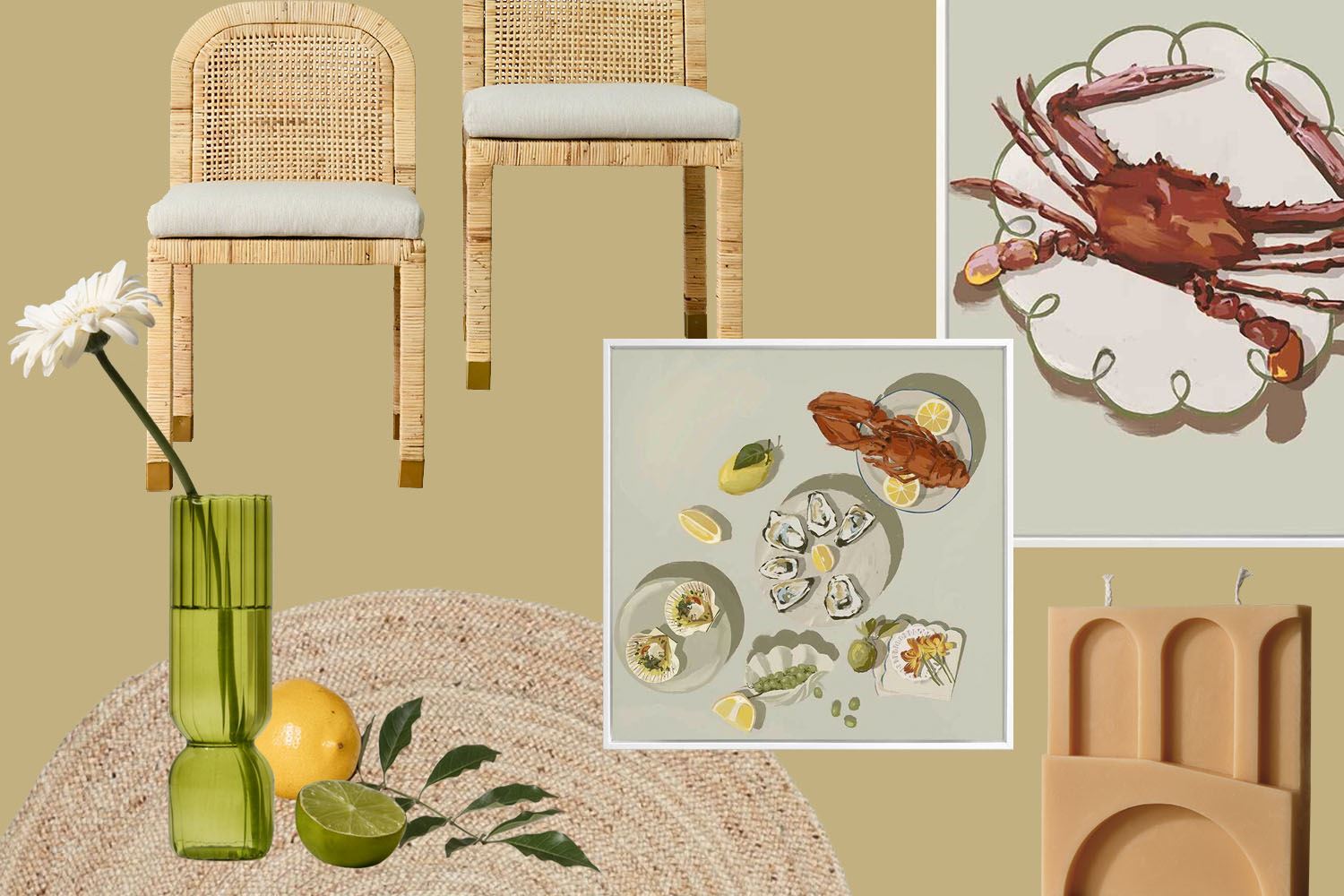
Perfect Product Combinations
For a medium to large dining room (12-16 sqm):
-
CRUSTACEAN BEIGE CANVAS ART PRINT: pairs beautifully with natural, organic dining spaces
-
FAMILY GATHERING BEIGE CANVAS ART PRINT: creates a focal point that celebrates togetherness
-
BONDI NATURAL HAND-BRAIDED JUTE OVAL RUG: adds texture underfoot while staying neutral enough to let your art shine
Pro tip: Position your largest art piece at eye level (approximately 145-150cm from the floor) to create the strongest impact in dining and gathering spaces.
Style 2: Natural State - Bringing Organic Elements Indoors
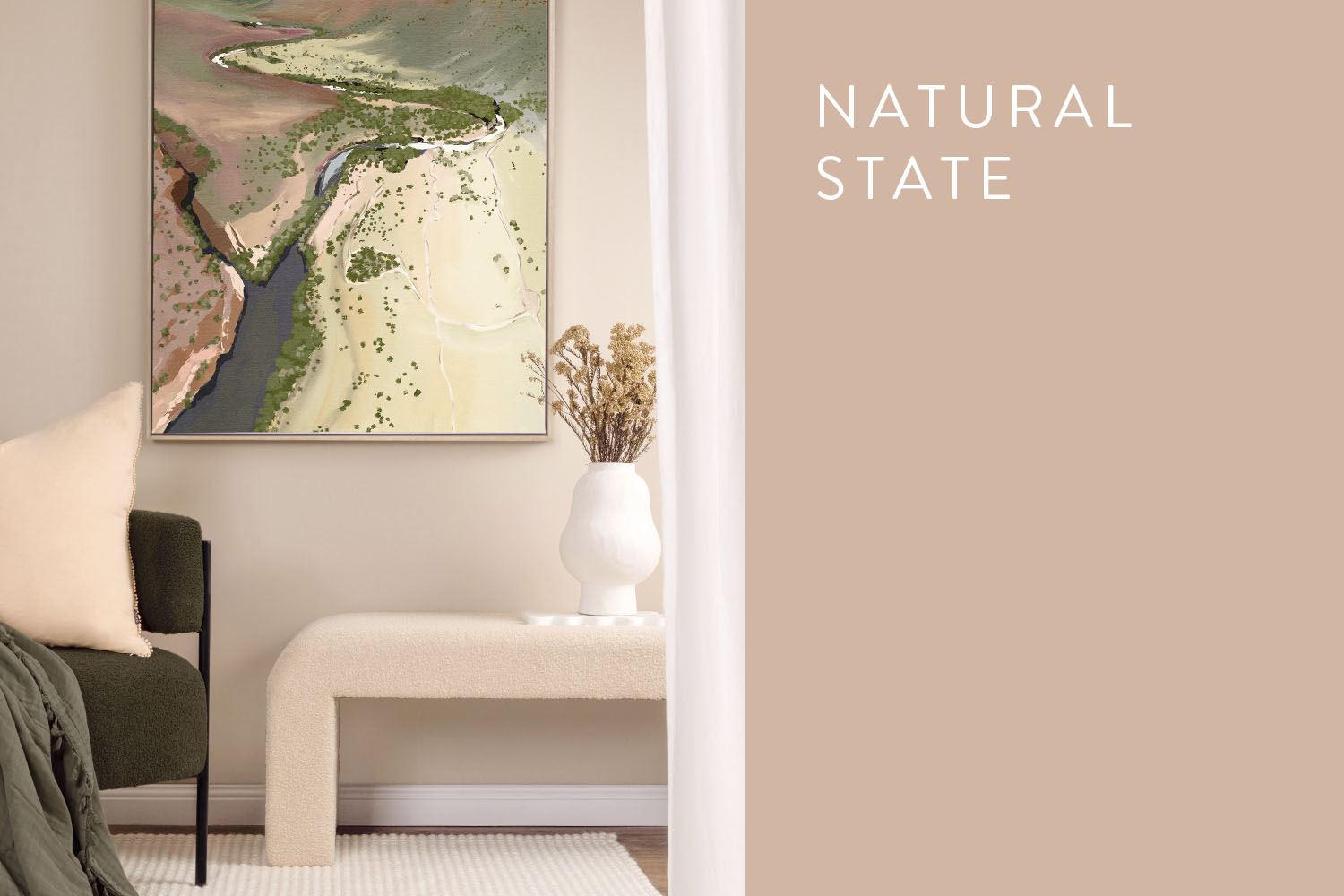
Best for: Living rooms, bedrooms, home offices, meditation spaces
Colour palette: Clay, sandstone, sage green, warm earth tones
Key materials: Marble, ceramic, natural wood, botanical elements
Design skill level: Easy for beginners
Nothing matches more perfectly with a nature-loving soul than bringing organic materials and nature-inspired pieces into your home. Even just one or two pieces can completely transform the energy in a room, and we promise it's easier than you think!
Natural textures and colours are the perfect way to create a calming, grounding atmosphere. You don't need to go full botanical garden mode; the secret is in thoughtful, intentional choices.
What Makes a Space Feel "Natural"?
Creating a nature-inspired interior is all about these key elements:
-
Imperfect, organic shapes rather than perfectly geometric forms
-
Textured materials like stone, ceramic, unfinished wood, and woven fibers
-
Neutral, earthy colour palettes in clay, sandstone, sage, and warm browns
-
Botanical subject matter in artwork or actual greenery
-
Matte finishes rather than high-gloss surfaces
How to Coordinate Natural Elements
Step 1: Choose one textured statement piece. This could be a marble sculpture, ceramic vessel, or heavily textured art print in earth tones.
Step 2: Add 1-2 pieces of botanical artwork featuring organic shapes, neutral backgrounds, or nature-inspired abstract patterns.
Step 3: Layer in living or dried plants (if you're ready for the commitment!) or stick with nature-themed art if you prefer low-maintenance styling.
Step 4: Keep 70% of your colour palette in neutral earth tones, with 30% in one accent shade like sage green or terracotta.
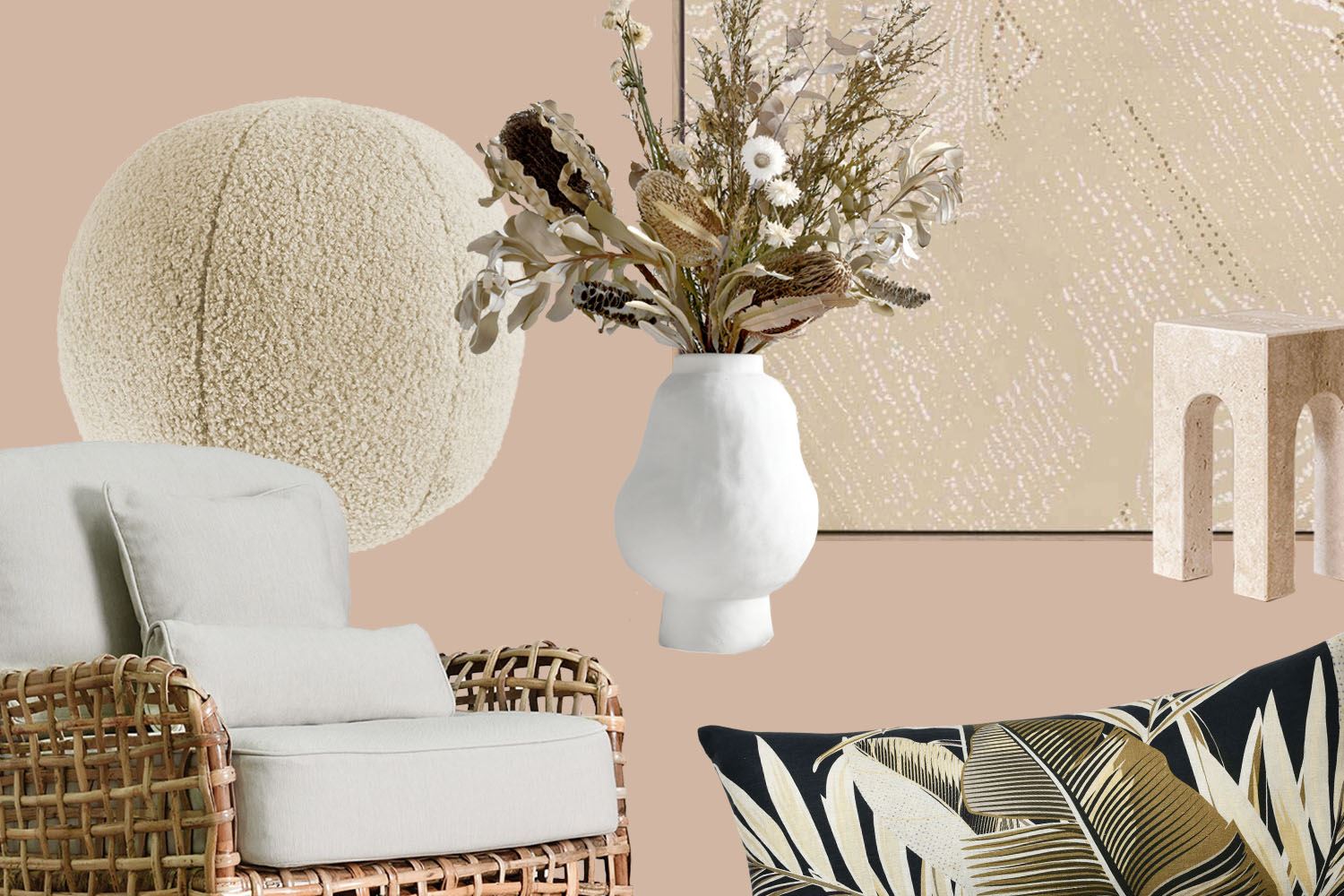
Perfect Product Combinations
For a living room or bedroom (15-20 sqm):
-
SANDSTORM CLAY CANVAS ART PRINT: brings organic texture and warm earth tones to any wall
-
SAHARA MARIA NATURAL RUG: perfectly suited to a variety of interior styles
-
DUNE SQUARE NEUTRAL CUSHION COVER: this luxury textured cushion is crafted with high-quality boucle material
-
Add your own: Woven baskets, unfinished wood shelving, or ceramic planters
Pro tip: Pair textured marble pieces with other organic materials that include greenery and soft, neutral tones for maximum impact. The contrast between smooth and rough textures creates visual interest while maintaining a calm atmosphere.
Style 3: Subtle Oddities - Incorporating Quirky Design Elements
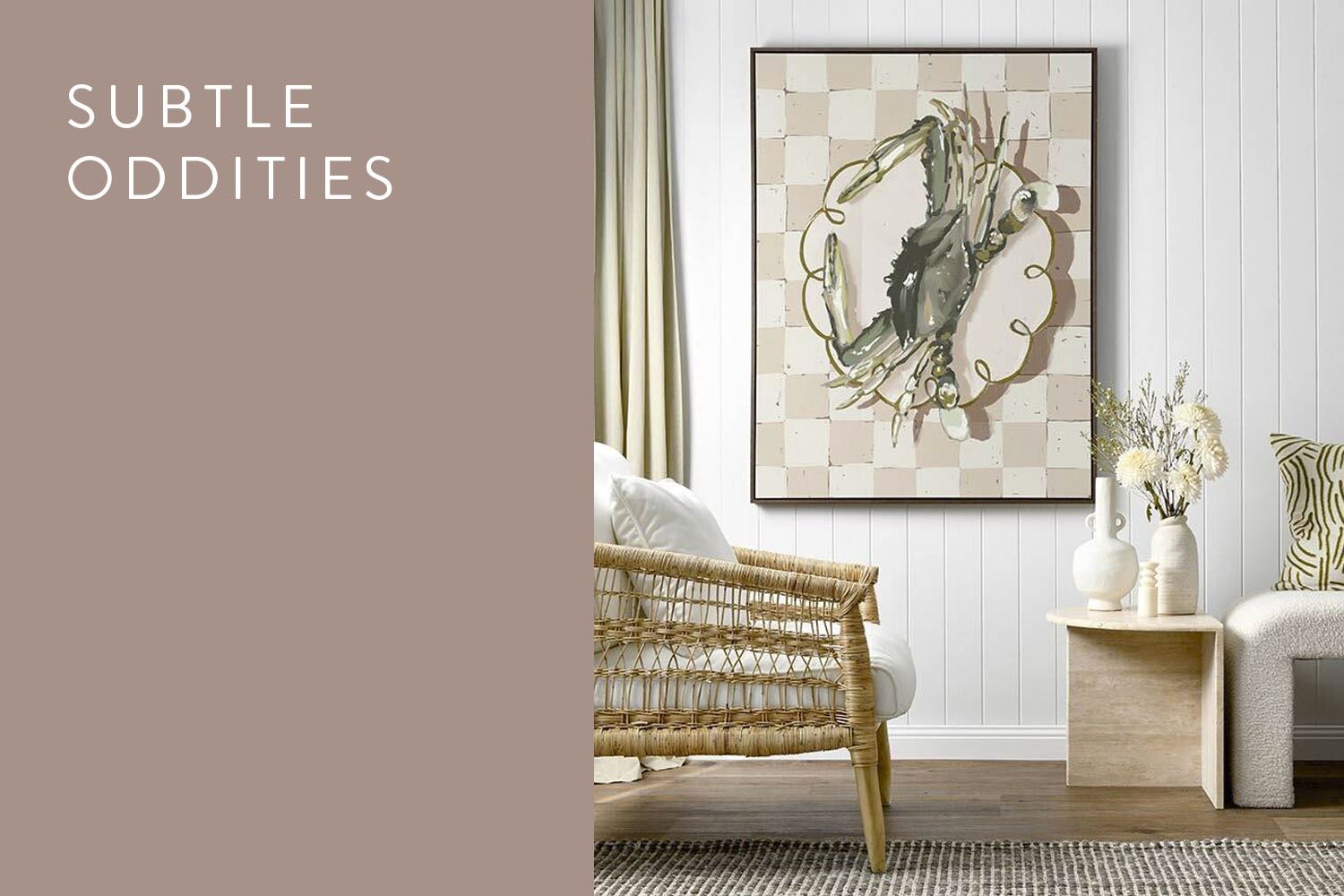
Best for: Creative spaces, home offices, eclectic living rooms, bedrooms
Colour palette: Soft neutrals (khaki, olive, cream) with unexpected shapes
Key materials: Boucle textiles, ceramic, canvas with unusual subject matter
Design skill level: Intermediate (requires a good eye for balance)
We've all got a little quirky side in us, but some perhaps a little more than others! For those who lean towards the eccentric side of interior design, you've probably already got a strong eye for your favourite kinds of pieces.
But if you're hesitant to bring traditionally odd pieces into your home, here's the secret: subtle oddity. As the name implies, it's all about keeping things mellow, yet with a fun, unexpected edge.
How to Add Quirk Without Overwhelming Your Space
The key to successfully incorporating unusual pieces is balance. Here's the formula we recommend:
The 80/20 Rule: Keep 80% of your space neutral and grounded, then add quirky elements in the remaining 20%. This prevents your space from feeling chaotic while still expressing your personality.
Contrast your approaches:
-
Match the subtlety of soft, neutral palettes with odd shapes and unusual textures
-
Pair quirky subject matter (like unusual still life scenes) with realistic, traditional painting styles
-
Combine modern, clean-lined furniture with playful, rounded accessories
There are endless ways to bring the quirk without going overboard, and that's what makes this style so fun to experiment with!
Specific Ways to Balance Quirky Elements
Option 1: Subtle Palette + Bold Shapes
Keep your colour palette in neutral khakis and creams, then introduce oddity through unusual shapes, think sculptural cushions, asymmetrical vessels, or abstract forms.
Option 2: Neutral Furniture + Quirky Art
Maintain clean-lined, simple furniture, then add personality through art with unexpected subject matter or unusual perspectives.
Option 3: Traditional Subject + Playful Textures
Choose realistic art and familiar subjects, but bring in fun through boucle fabrics, unexpected materials, or playful proportions.
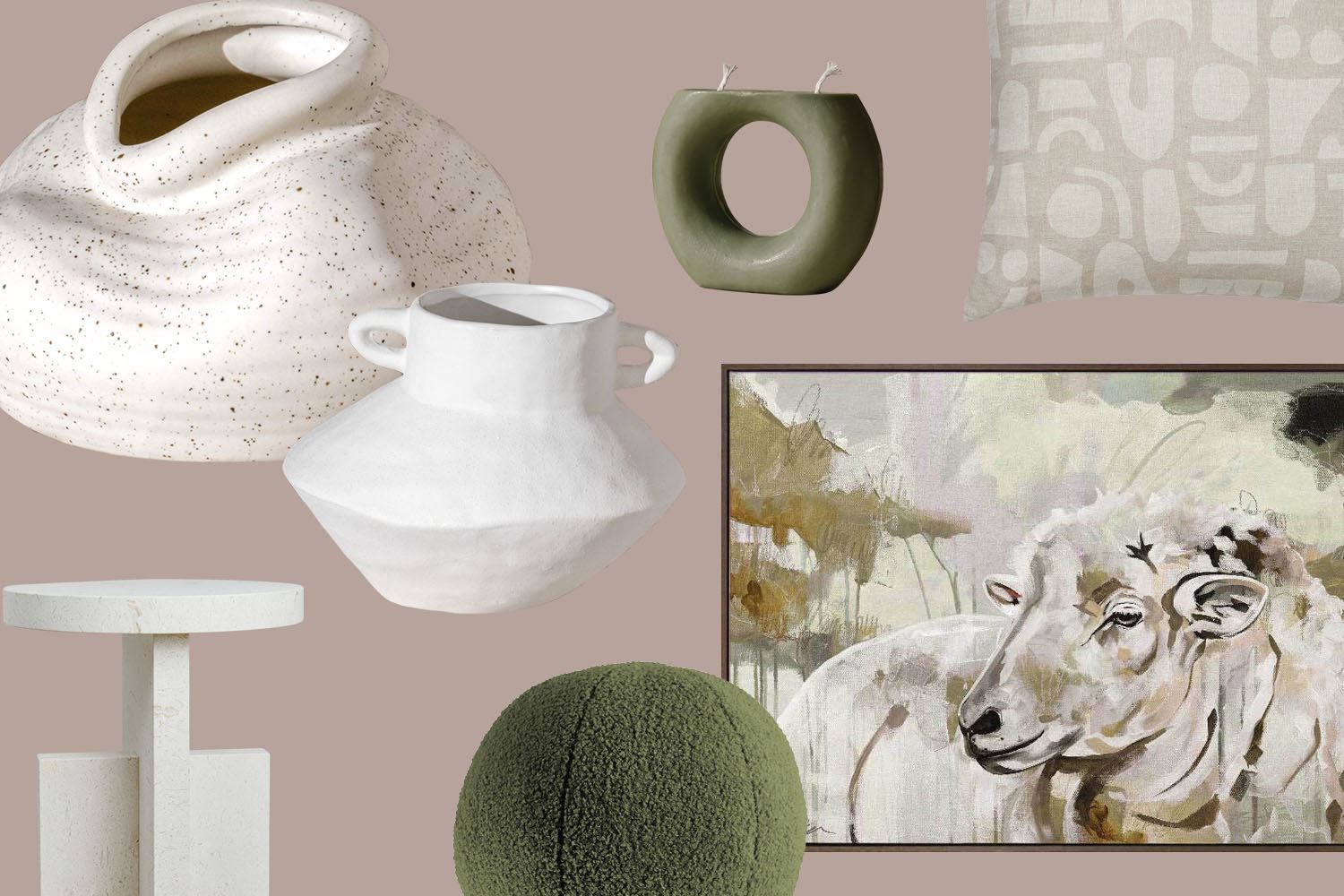
Perfect Product Combinations
For a living room, bedroom, or creative workspace (12-18 sqm):
-
LATE LUNCH NEUTRAL CANVAS ART PRINT: quirky subject matter with a sophisticated neutral palette
-
MONDAY MORNING MUTED KHAKI CANVAS ART PRINT: playful yet refined, perfect for balancing with statement pieces
-
RUMI STRIPED OLIVE GREEN LINEN CUSHION: perfect for adding layered texture and creating tactile appeal in any space
Pro tip: Limit bold, quirky shapes to 20% of visible items in the space. If you have a spherical cushion, balance it with 4-5 standard shapes. If you have unusual art, pair it with traditional frames or simple furniture.
Style 4: Warm Winters - Transitioning Between Cool & Warm Tones
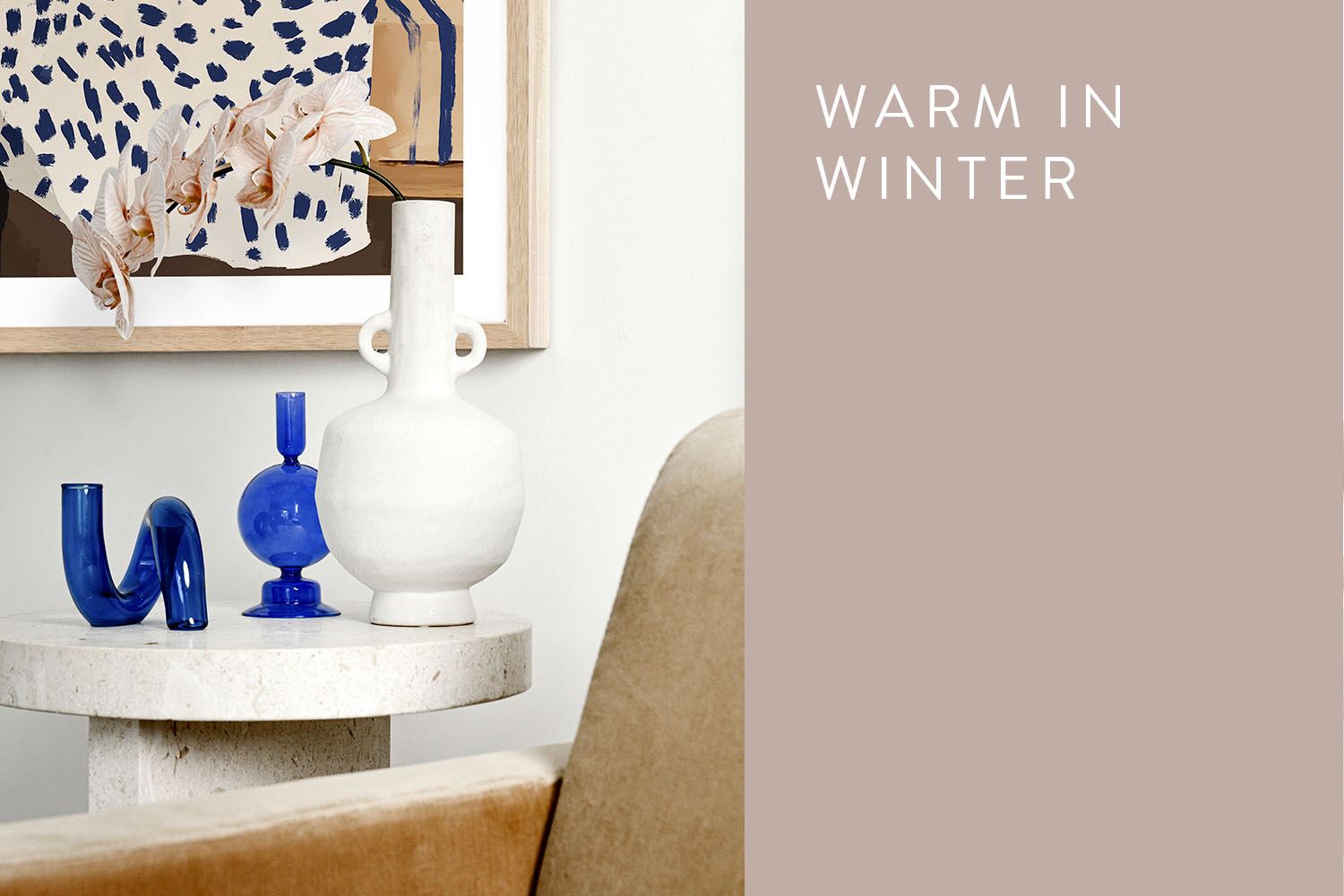
Best for: Versatile spaces, seasonal decorators, multi-use rooms
Colour palette: Cool blues + warm browns/beiges, complementary undertones
Key materials: Linen, ceramic, canvas with mixed warm and cool tones
Design skill level: Intermediate to advanced (requires understanding of colour theory)
Winter has its perks, but there's something about that sweet spring air that really gets us going! That's right! It's time to get excited for fresh blooming flowers, sunny mornings, and the promise of warmer days ahead.
Although this look focuses on seasonal transition, these pieces are versatile enough to work year-round with the right accompanying décor. The secret is in how you balance cool and warm colour temperatures.
Understanding Cool vs. Warm Tones
Not sure what we mean by "cool" and "warm"? Here's a quick guide:
Cool tones: Blues, greys, silvers, mint greens. These colours have blue or purple undertones and create a calming, spacious feeling.
Warm tones: Oranges, reds, yellows, browns. These colours have yellow, orange or red undertones and create a cozy, energizing feeling.
Why mix them? Combining cool and warm tones adds visual interest and depth. It prevents spaces from feeling too cold (all blues) or too intense (all warm oranges).
How to Blend Cool & Warm Tones Successfully
The Classic Approach: Blue + Orange
This is the most obvious complementary contrast. Use soft, muted versions rather than bright primary shades for sophistication.
The Subtle Approach: Blue + Brown/Beige
If you're not into strong orange-blue contrast, blend cool blue shades with warm-toned browns and beiges. This creates the same temperature contrast with a more neutral, livable palette.
The Proportional Rule:
Choose one temperature as your dominant tone (60-70% of the space) and the other as an accent (30-40%). This creates balance without competition.
Step-by-Step Coordination
Step 1: Decide which temperature will dominate your space. Are you primarily cool with warm accents, or warm with cool accents?
Step 2: Choose artwork that features both colour temperatures. Look for pieces where cool blues and warm browns or oranges appear together naturally.
Step 3: Add textiles that bridge the temperature gap. Spotted or patterned linens work beautifully because they can incorporate both tones.
Step 4: Include ceramic or sculptural elements in one solid colour from your chosen palette to ground the look.
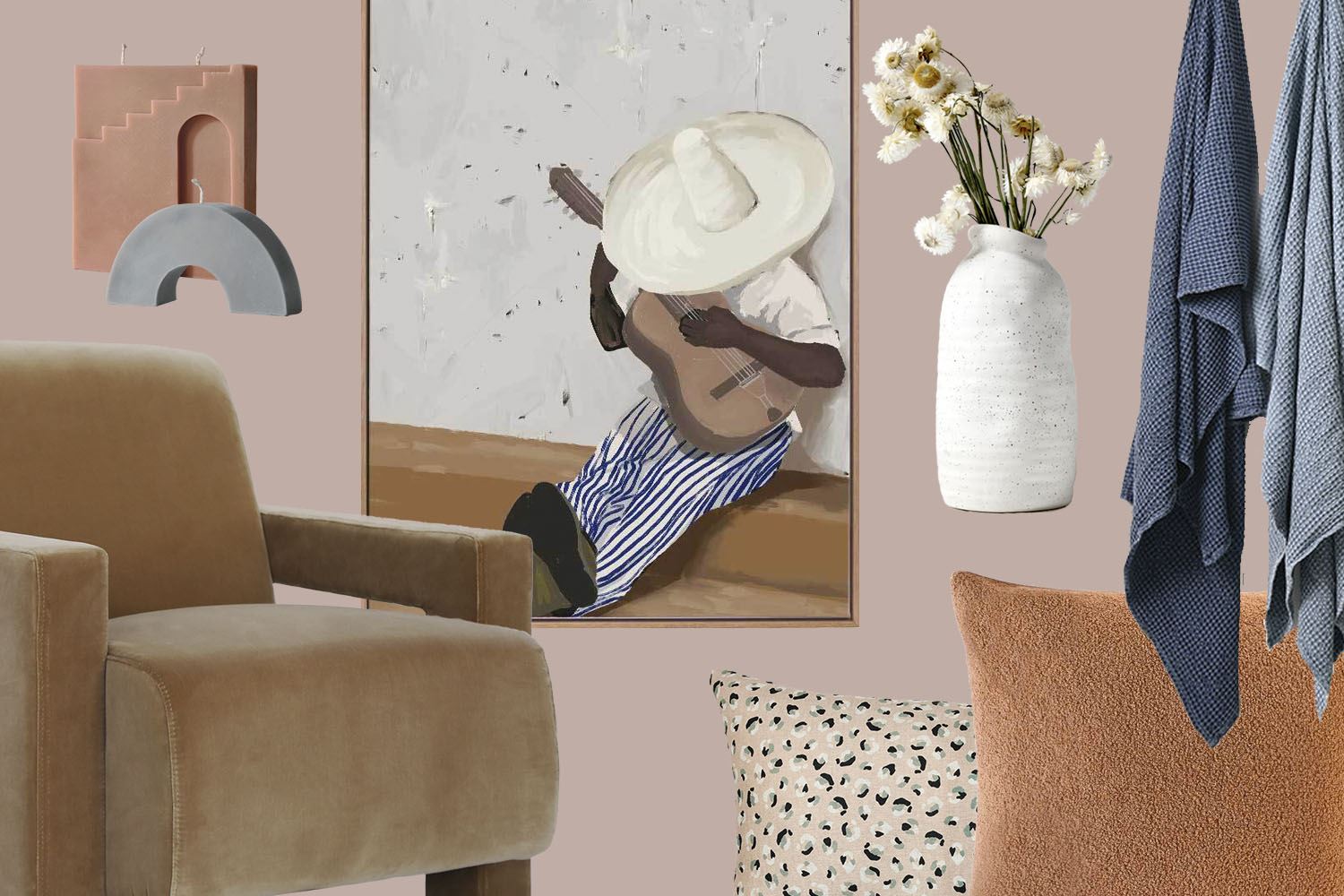
Perfect Product Combinations
For a bedroom, living room, or flexible space (14-20 sqm):
-
SUEÑOS MUSICALES PORTRAIT CANVAS ART PRINT: blends warm and cool tones in an artistic, sophisticated composition
-
BLAIR TERRACOTTA LINEN CUSHION: perfect for balancing out patterned cushions
Pro tip: Start with one artwork that naturally combines cool and warm tones, then pull your accent colours from that piece. This ensures everything coordinates while looking effortlessly curated.
Frequently Asked Questions About Interior Styling
How many statement pieces should I include in one room?
For most rooms (12-20 sqm), limit yourself to 1-2 major statement pieces. This could be one large artwork plus one sculptural item, or two medium pieces with strong visual impact. Any more than this and you risk creating visual competition where nothing stands out.
What's the best way to mix textures without creating chaos?
Follow the "rule of three" for textures: smooth + rough + soft. For example, pair smooth canvas art + rough jute rug + soft boucle cushions. This creates enough variety to be interesting while maintaining harmony.
How do I know if colours will work together before buying?
Use the 60-30-10 colour rule: 60% dominant colour (usually walls/large furniture), 30% secondary colour (upholstery, rugs, curtains), 10% accent colour (cushions, art, accessories). If you can visualize this breakdown with your chosen pieces, they'll likely work together.
Can I mix different styles from this guide in one room?
Absolutely! The key is choosing one element to be consistent. Either your colour palette, your material choices, or your level of formality. For example, you could mix Natural State textures with Subtle Oddities shapes, as long as you keep your colour palette consistent.
What's the difference between complementary and analogous colour schemes?
Complementary colours sit opposite each other on the colour wheel (like blue and orange) and create high contrast and energy. Analogous colours sit next to each other (like blue, blue-green, and green) and create harmony and calm. Choose based on the mood you want to create.
How do I style pieces for small spaces under 10 sqm?
In smaller rooms, reduce the number of items but not their quality or impact. Choose 1 medium artwork, 1-2 textiles, and 1 small sculptural piece maximum. Stick to one cohesive colour palette to avoid visual fragmentation.
Your Quick Reference Guide
Essential Styling Principles
Balance bold with neutral: For every statement piece, include 3-4 supporting neutral items
Vary heights and scales: Mix large, medium, and small pieces to create visual interest
Repeat colours in sets of 3: If you use blue in your art, echo it in at least 2 other places (cushion, vase, rug)
Consider sightlines: Place your most important pieces where they're visible from main entry points
Layer textures: Combine at least 3 different textures per room for depth
Material Pairing Guide
Natural materials that work together:
Jute + ceramic + canvas
Wood + linen + stone
Marble + wool + leather
Textures that complement each other:
Smooth canvas + chunky knit
Glossy ceramic + matte linen
Rough jute + soft boucle
Making It Work For You
Interior design isn't about being perfect: it's about finding what's perfect for you. Every room, every home, and every person has different needs, preferences, and constraints.
Maybe you're working with a small apartment and need multi-functional pieces. Perhaps you're styling a rental and can't paint the walls. Or maybe you're starting from scratch and feeling overwhelmed by all the choices.
Wherever you are in your design journey, remember this: start small, choose pieces you genuinely love, and build your collection gradually. The combinations we've shared are meant to inspire, not restrict. Take what resonates, leave what doesn't, and always trust your own instincts.
The beauty of coordinating wall art, furniture and homeware is that there are no hard rules - only guidelines to help you create spaces that feel authentically yours.
Ready to create your perfect match?


